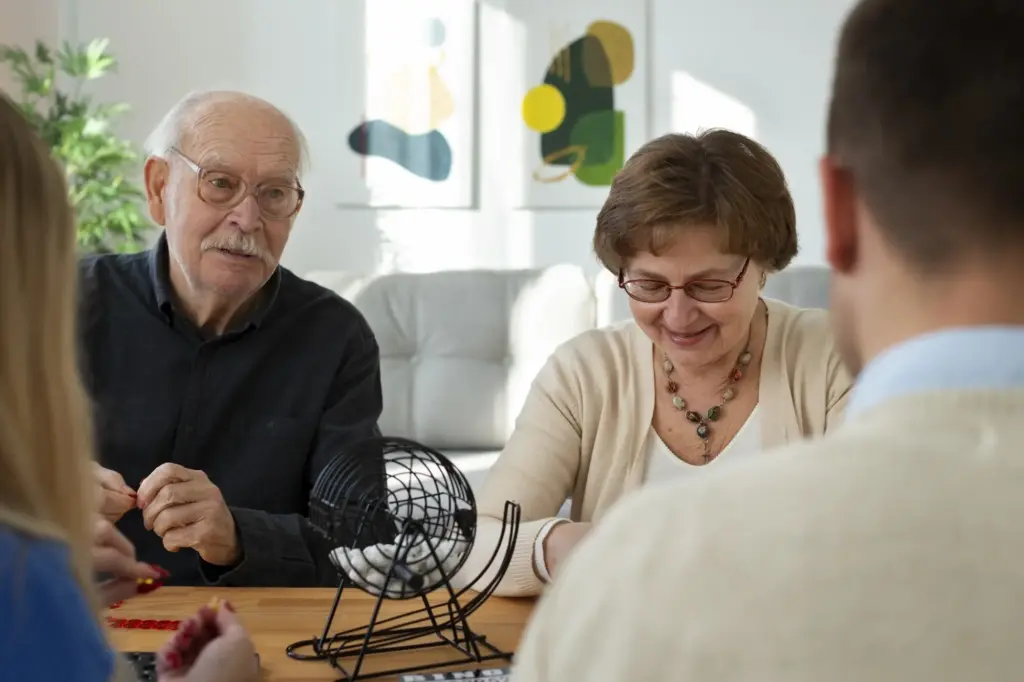

Sharing Hours, Sharing Wisdom Across Generations

Today we explore community time banks that reward cross-generational teaching, where an hour of mentoring, tutoring, or skill sharing earns an hour in return. These neighbor-powered exchanges weave friendships, reduce isolation, and pass practical knowledge between teens, adults, and elders while building resilient, caring streets. Share your own exchange stories, suggest skill-shares you crave, and subscribe for future guides and community spotlights that help your block begin.

How Time Banks Work When Wisdom Flows Both Ways

In a time bank, every hour of teaching, coaching, or assisting carries equal value, regardless of age or profession. Teen tech support, midlife career advice, and elder storytelling convert into banked hours redeemable for help others offer. By recognizing time as currency, neighbors unlock dormant talents, challenge stereotypes about generations, and build routines of mutual aid sustained by trust, simple record keeping, and shared celebrations.

Earning and Spending Hours Without Money

Members list what they can teach and what they wish to learn, then track exchanges as hours, not cash. A high school student might tutor algebra for two hours, later spending those credits on piano lessons from a retiree, feeling respected as both learner and teacher.

Matching Skills Across Ages and Interests

Coordinators or lightweight apps help pair offerings with requests, focusing on accessibility, safety, and clarity. By grouping by neighborhood, transportation needs, languages, and comfort levels, the system ensures elders, busy parents, and youth find frictionless matches that feel personal, dignified, and exciting.

Trust, Reciprocity, and Simple Record Keeping

Clear ground rules, gentle orientations, and transparent hour ledgers cultivate reliability. Members confirm exchanges, share short reflections, and celebrate milestones at potlucks or online. These rituals reinforce reciprocity, turning sporadic favors into patterned learning relationships that neighbors rely on during ordinary weeks and stressful seasons.

From Idea to Neighborhood Practice

Launching a local circle begins with listening sessions that surface needs and gifts across generations, then moves through partner mapping, risk planning, and joyful pilots. Start small, iterate weekly, and document everything neighbors invent. When people see steady rhythms, welcoming hosts, and easy tools, participation grows naturally, drawing in schools, libraries, and faith groups who recognize alignment with their missions and pledge spaces, communications, and light coordination.

A Teen Teaches Seniors to Navigate Smartphones

At a Saturday clinic, Jayden guided twelve elders through contacts, texting, and scam warnings, patiently celebrating each tap. He earned three hours, later spent on driving practice from a neighbor. The seniors left confident, promising to teach grandchildren safer habits during summer visits.

An Elder Shares Carpentry and Storycraft
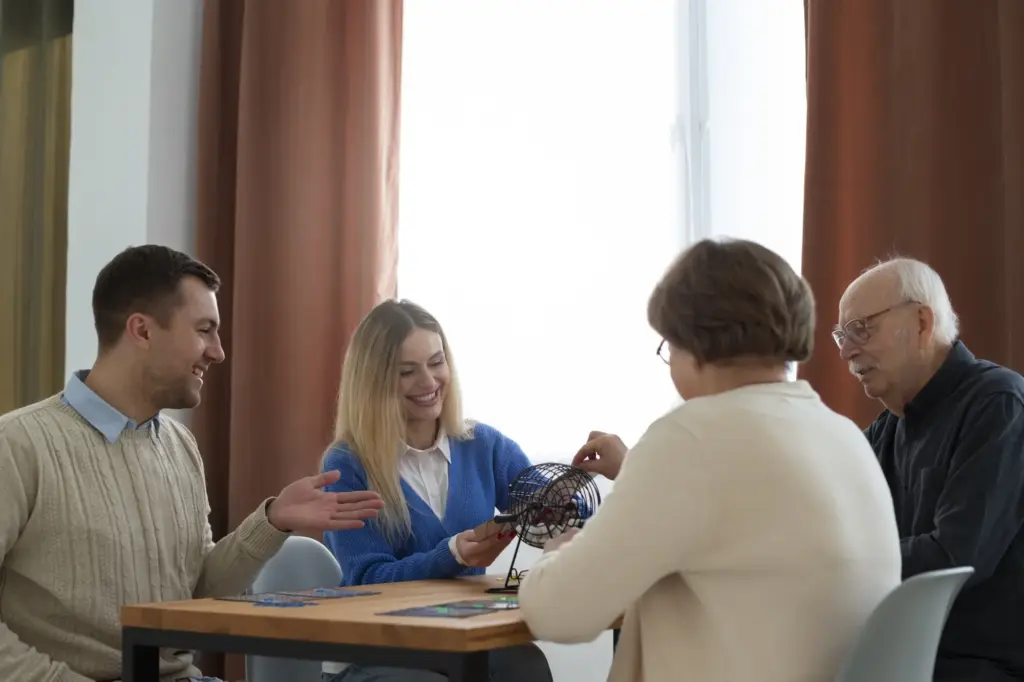
Mr. Alvarez welcomed two middle schoolers to his garage, showing how to measure twice, clamp safely, and sand with the grain while recounting a bridge he helped restore. They built bookshelves, traded hours, and scheduled a follow-up session to document family histories using audio.

Rewards That Honor Time Without Monetizing Care

The deepest reward is belonging, yet tangible recognitions help sustain energy. Equal-hour accounting avoids status battles while badges, shout-outs, and milestone certificates spotlight dedication. Seasonal swaps, childcare credits, and transit passes sweeten participation, provided safeguards prevent hoarding and ensure ample chances for newcomers to contribute.

Proving Value with Data and Lived Experience

Meaningful Metrics that Center People

Beyond counts, capture wait times for requests, time-to-first-exchange for newcomers, and cross-neighborhood reach. Conduct brief check-ins after sessions about clarity, comfort, and joy. Numbers should inform improvements while honoring the dignity behind each datapoint and every relationship strengthened through practice.

Learning Outcomes Across Ages

Invite learners to set small goals before exchanges, then measure progress with simple rubrics and reflective prompts. Teens might track presentation confidence, while elders track device independence. Aggregate results quarterly to celebrate growth, adapt offerings, and attract partners who value community-anchored education.

Health, Wellbeing, and Economic Spillovers

Track self-reported loneliness, mobility confidence, childcare stress, and transportation savings. Local clinics and social workers may refer clients, counting redeemed hours as protective factors. Document how reduced isolation and practical support lower crises, enabling households to pursue training, jobs, and creative projects with renewed stability.

Schools, Libraries, Clinics, and City Halls as Hubs

Institutions become bridges when they host exchanges, lend credibility, and remove logistical friction. Schools align mentoring with service learning, libraries provide rooms and Wi-Fi, clinics connect patients to supportive neighbors, and cities amplify visibility while safeguarding equity, access, and intergenerational participation across neighborhoods.

01

Aligning with School Credit and Calendars

Co-design credit-bearing projects with counselors and teachers so students earn recognition for teaching literacy, arts, or coding. Sync sessions with after-school windows and transportation. Share parent consent templates and reflection forms that demonstrate rigor without smothering the playful spirit that fuels genuine learning.

02

Library Makerspaces as Intergenerational Workshops

Reserve tables for soldering, zine-making, genealogy, and device clinics, with librarians as gentle hosts. Post clear signage about hour exchanges and safety. When shelves share walls with workbenches, curiosity multiplies, and passersby become participants inspired by visible achievement and neighborly cheer.

03

Clinics and Social Prescribing Partnerships

Work with health teams to refer isolated patients to low-pressure learning circles that boost confidence and routine. Train volunteers in confidentiality basics. Track hours alongside wellbeing measures, showing how neighbor exchanges complement medical care by strengthening support networks that extend beyond appointments.

Lightweight Platforms that Respect Privacy

Technology should simplify matching and tracking without overshadowing relationships. Choose tools that are mobile friendly, multilingual, and accessible with screen readers. Default to minimal data collection, plain-language permissions, and exportable records, allowing communities to switch vendors or self-host without losing hard-earned history.

01

Open-Source and Community-Owned Options

Evaluate platforms that publish code and welcome community governance, reducing dependency on costly licenses. Contributors can localize interfaces, add safety features, and audit privacy practices. Ownership encourages learning, with teens joining code sprints and elders offering user experience feedback grounded in lived realities.

02

Accessibility, Translation, and Low-Bandwidth Design

Offer text-size controls, captions, keyboard navigation, and offline-friendly pages. Translate key flows and messages with community reviewers, not only machines. Compress images, avoid bloat, and allow SMS notifications so neighbors with older phones or limited data remain fully included and informed.

03

Data Protection, Consent, and Moderation

Publish clear privacy notices, limit administrator access, and offer easy deletion requests. Use consent checkboxes for photographs and stories. Train moderators to respond swiftly to boundary violations, balancing restorative approaches with firm consequences so every generation feels safe offering talents and receiving care.

Tarizentotorazavokaronaripira
Privacy Overview

This website uses cookies so that we can provide you with the best user experience possible. Cookie information is stored in your browser and performs functions such as recognising you when you return to our website and helping our team to understand which sections of the website you find most interesting and useful.