Learning Flourishes When Generations Meet
Discover how School-Senior Center Partnerships for Mutual Learning spark curiosity, confidence, and community. When students collaborate with older adults, classrooms expand beyond walls, stories deepen lessons, and skills transfer both ways. This introduction sets the stage for practical models, research-backed benefits, and actionable steps your community can start today.
Bridges Across Generations
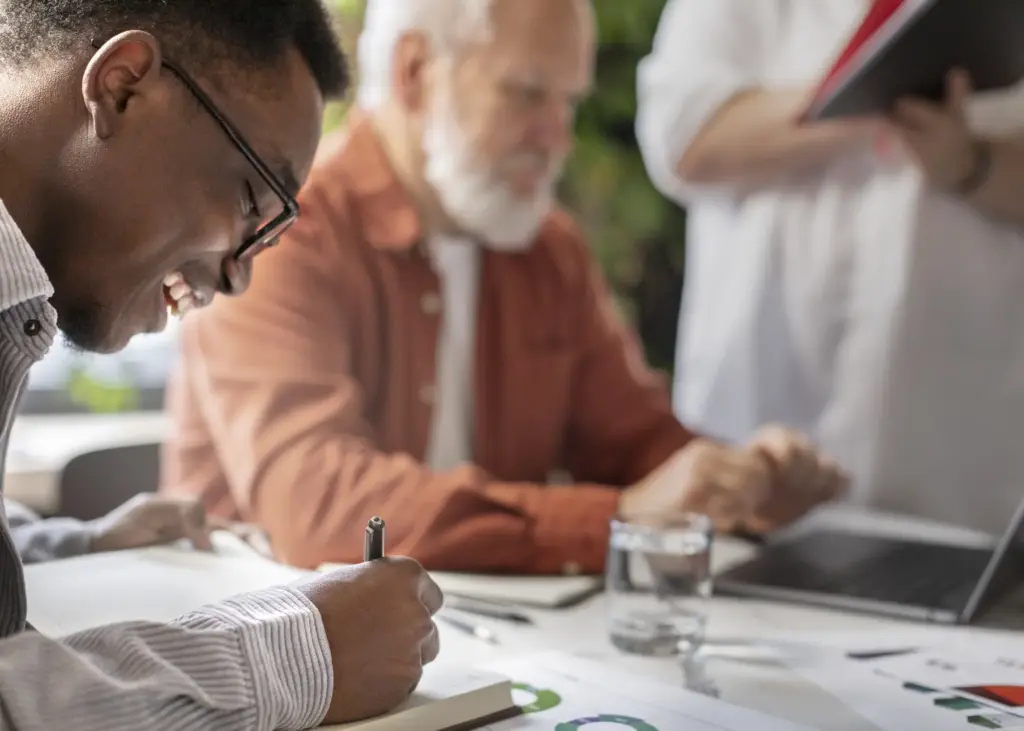
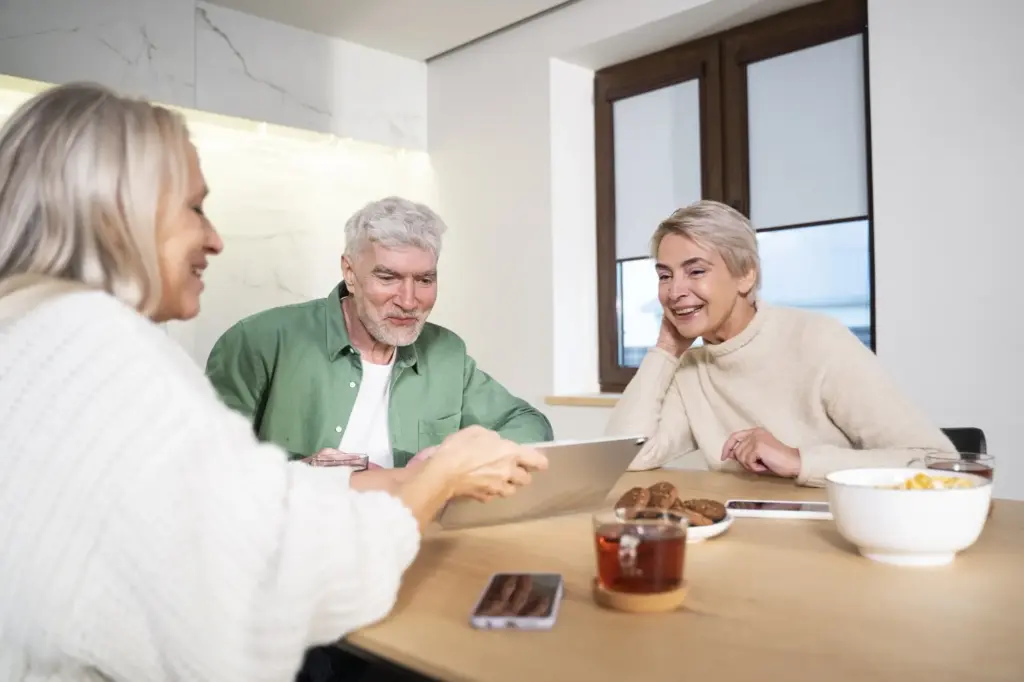
Partnerships between schools and senior centers build living bridges where curiosity meets wisdom. Students gain context that textbooks miss, while older adults find renewed purpose mentoring, storytelling, and co-creating. Shared projects transform age stereotypes into mutual respect, blending tradition with innovation and giving every participant a voice that matters and continues resonating long after sessions.
Practical Models That Work
Effective collaborations balance structure and spontaneity. Programs run best when goals, schedules, and roles are co-written, yet sessions leave room for storytelling and discovery. Whether hosted weekly or in short bursts, consistent rituals—welcomes, reflection prompts, and shared showcases—build trust, maintain momentum, and help participants see progress that feels personal and measurable.
Evidence and Measurable Impact
Beyond heartwarming moments, data supports sustained investment. Schools report improved attendance, reading growth, and classroom climate; senior centers note reduced loneliness, higher engagement, and new volunteer leadership. Mixed-method evaluation—surveys, observation rubrics, interviews, and artifacts—captures both numbers and narratives, helping funders, families, and policymakers understand why these efforts deserve longevity and scaling.
Overcoming Challenges with Care
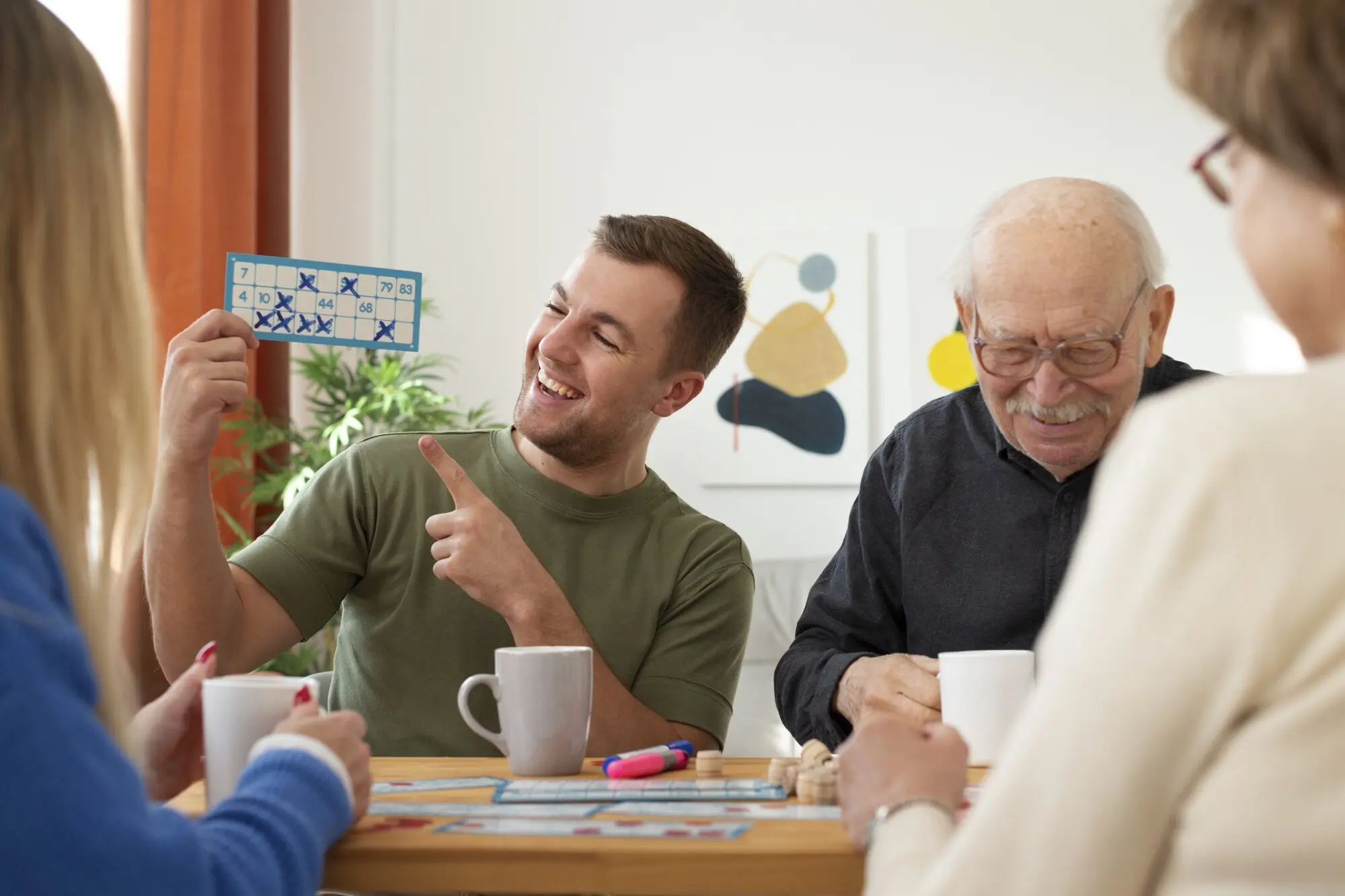
Craft codes of conduct co-signed by all participants. Practice confidentiality, use permission slips, and outline photography rules. Establish accessible complaint channels and debrief routines, so concerns travel quickly to caring adults. Boundaries allow warmth to flourish because everyone understands expectations, rights, and responsibilities before the first handshake or message.
Offer onboarding sessions covering disability etiquette, active listening, ageism, cybersecurity, and mandated reporting. Role-play tricky scenarios and celebrate mistakes as learning fuel. Provide tip cards, closed captions, and translation where needed. When preparation respects both groups, confidence grows, reducing dropout and inspiring participants to recruit friends and neighbors.
Predictable calendars, transport vouchers, substitute plans, and snack rotations keep turnout steady. Choose accessible venues near transit and schedule around holidays, caregiving hours, and exam weeks. Share a one-page weekly plan so any facilitator can lead, preserving continuity if illness, weather, or life surprises interrupt a carefully built rhythm.
Co-Planning Cycles That Honor Voices
Teachers, activity coordinators, students, and elders meet regularly to draft agendas, prototype activities, and review feedback. Rotating facilitators prevent dominance and model leadership. Surveys and suggestion boxes invite quieter participants to influence direction, ensuring programming evolves with community priorities rather than repeating last year’s plan unquestioned.
Assessment Beyond Tests
Use portfolios, audio diaries, and photo essays to capture growth in empathy, literacy, and digital skills. Invite family nights where projects receive warm feedback and authentic questions. Triangulating artifacts with reflections and checklists produces evidence administrators respect while protecting the humanity that makes intergenerational learning uniquely motivating and durable.
Inclusive Design and Accessibility
Adopt large-print materials, good lighting, and quiet zones. Provide tactile manipulatives, captioned videos, and adjustable font devices. Normalize breaks and mobility aids. When accessibility is treated as creativity rather than accommodation, everyone experiments more boldly, shares leadership, and contributes meaningfully without exhaustion or fear of slowing the group.
Stories from the Field
Real partnerships are built by names, places, and seasons. A snowstorm postpones a visit; spring brings seedlings to plant; summer reunites project teams at a fair. Within these rhythms, trust deepens, humor emerges, and learning becomes a shared habit rather than a special event scheduled occasionally.
Maya and Mr. Alvarez’s Podcast
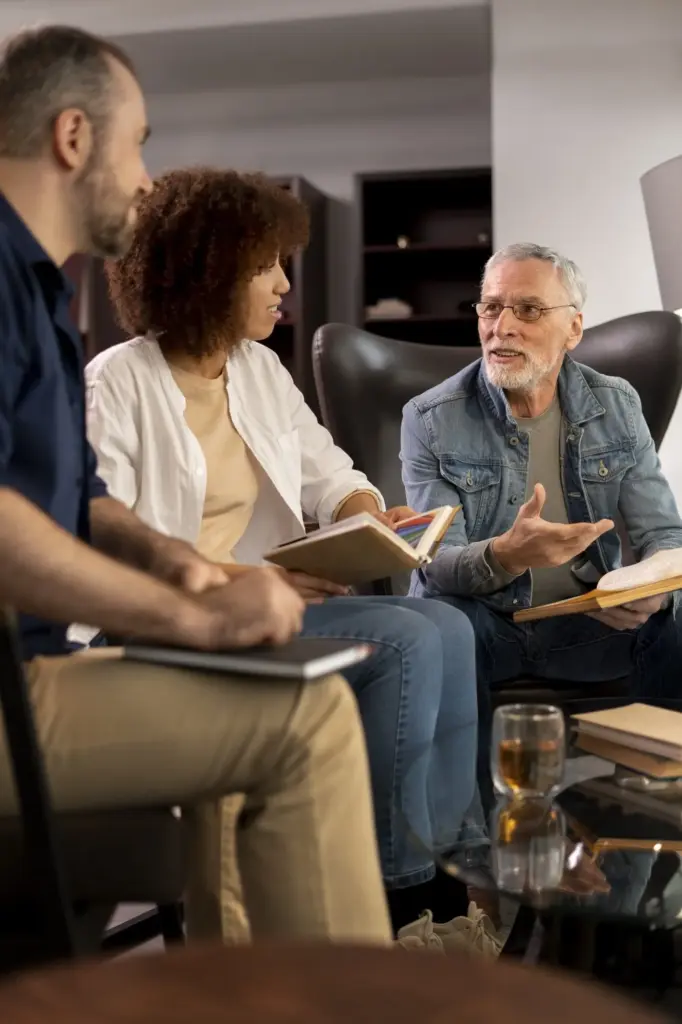
A ninth grader and a retired mechanic co-produced weekly episodes on neighborhood resilience, from fixing bikes to protesting unsafe intersections. Editing together, they swapped grammar tips and torque tricks. By episode ten, listeners donated reflective vests, and city planners invited them to moderate a youth–senior transportation forum.
A Choir Uniting Lunchtime and Afternoon Tea
A middle school chorus rehearsed classic standards at the senior center, then taught students harmony through lullabies suggested by grandparents. Snacks became intermission for interviews about migration, musicals, and first jobs. Concert night filled two generations’ calendars with applause, tears, and confident solos recorded for families near and far.
From Garden Plot to Food Pantry
Science class and quilting club built raised beds, tracked pollinators, and measured soil moisture with homemade sensors. Harvest days doubled as recipe swaps and math lessons on ratios. Produce stocked a neighborhood pantry, and participants co-authored signage explaining plant life cycles in friendly, bilingual language for weekend visitors.
Start Your Partnership Today
Gather a small planning team from your local school and senior center, choose one shared goal, and pilot for four weeks. Document what changes, celebrate even tiny wins, and invite feedback loudly. Subscribe, comment with your questions, or share a story to connect with peers starting the same journey.
All Rights Reserved.