

Sharing Hours, Sharing Wisdom Across Generations
How Time Banks Work When Wisdom Flows Both Ways
Earning and Spending Hours Without Money
Members list what they can teach and what they wish to learn, then track exchanges as hours, not cash. A high school student might tutor algebra for two hours, later spending those credits on piano lessons from a retiree, feeling respected as both learner and teacher.
Matching Skills Across Ages and Interests
Coordinators or lightweight apps help pair offerings with requests, focusing on accessibility, safety, and clarity. By grouping by neighborhood, transportation needs, languages, and comfort levels, the system ensures elders, busy parents, and youth find frictionless matches that feel personal, dignified, and exciting.
Trust, Reciprocity, and Simple Record Keeping
Clear ground rules, gentle orientations, and transparent hour ledgers cultivate reliability. Members confirm exchanges, share short reflections, and celebrate milestones at potlucks or online. These rituals reinforce reciprocity, turning sporadic favors into patterned learning relationships that neighbors rely on during ordinary weeks and stressful seasons.
From Idea to Neighborhood Practice

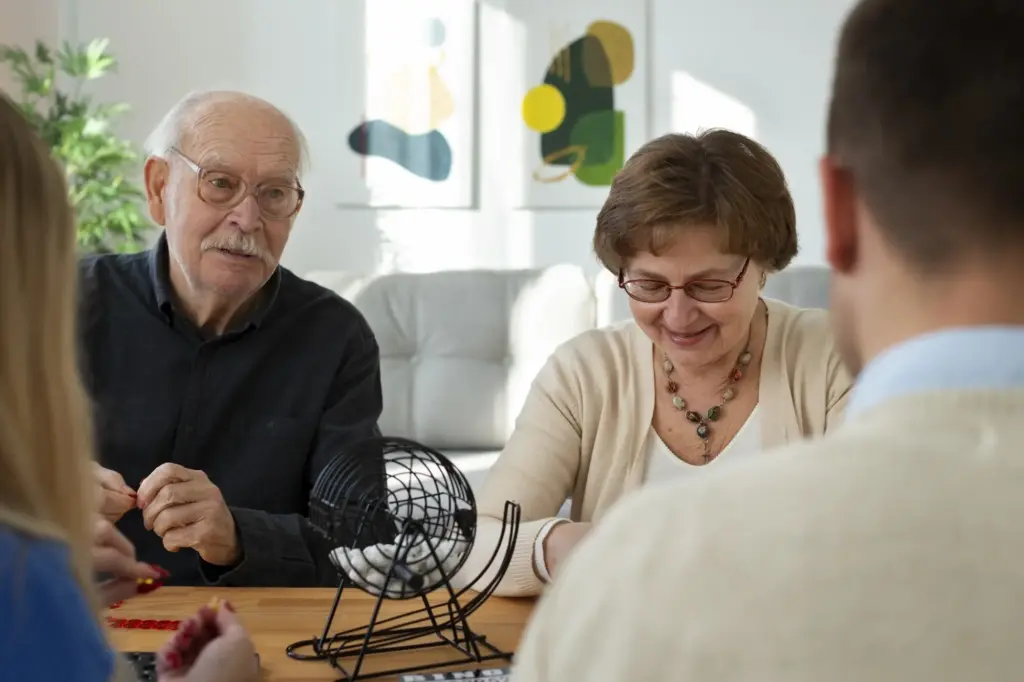
A Teen Teaches Seniors to Navigate Smartphones
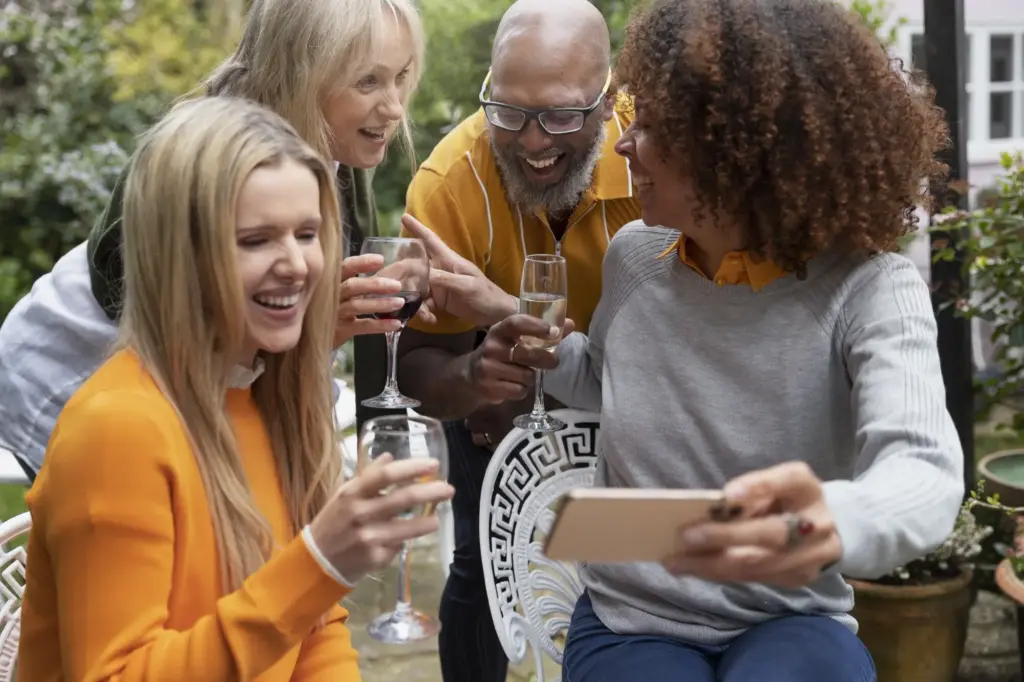
An Elder Shares Carpentry and Storycraft
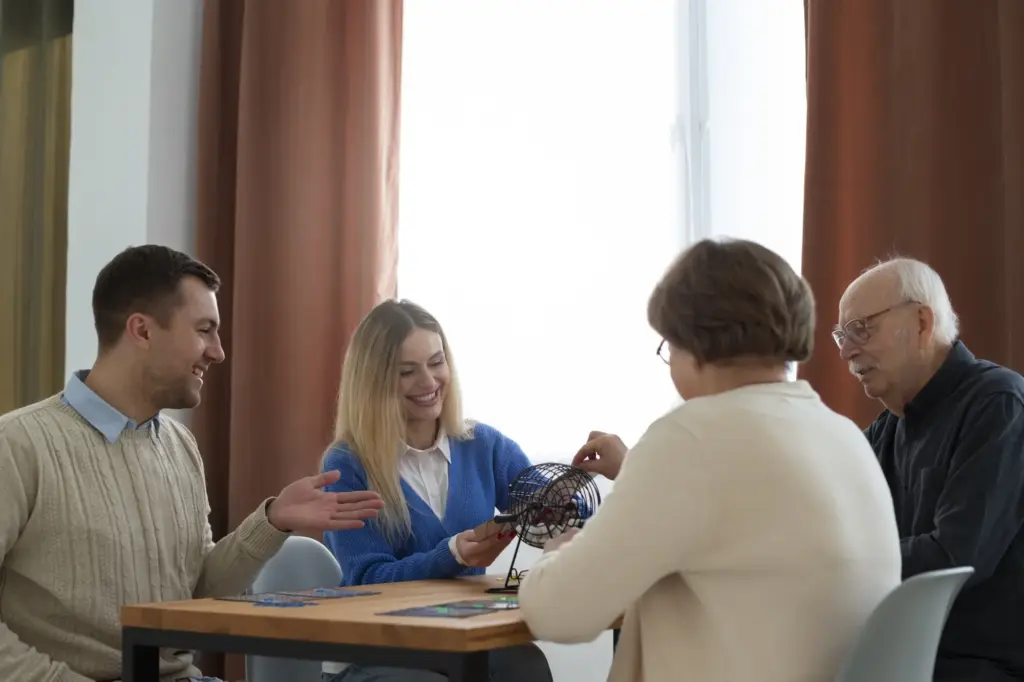
Rewards That Honor Time Without Monetizing Care
Proving Value with Data and Lived Experience
Meaningful Metrics that Center People
Learning Outcomes Across Ages
Health, Wellbeing, and Economic Spillovers
Schools, Libraries, Clinics, and City Halls as Hubs
01
Aligning with School Credit and Calendars
Co-design credit-bearing projects with counselors and teachers so students earn recognition for teaching literacy, arts, or coding. Sync sessions with after-school windows and transportation. Share parent consent templates and reflection forms that demonstrate rigor without smothering the playful spirit that fuels genuine learning.
02
Library Makerspaces as Intergenerational Workshops
Reserve tables for soldering, zine-making, genealogy, and device clinics, with librarians as gentle hosts. Post clear signage about hour exchanges and safety. When shelves share walls with workbenches, curiosity multiplies, and passersby become participants inspired by visible achievement and neighborly cheer.
03
Clinics and Social Prescribing Partnerships
Work with health teams to refer isolated patients to low-pressure learning circles that boost confidence and routine. Train volunteers in confidentiality basics. Track hours alongside wellbeing measures, showing how neighbor exchanges complement medical care by strengthening support networks that extend beyond appointments.
Lightweight Platforms that Respect Privacy
01
Open-Source and Community-Owned Options
Evaluate platforms that publish code and welcome community governance, reducing dependency on costly licenses. Contributors can localize interfaces, add safety features, and audit privacy practices. Ownership encourages learning, with teens joining code sprints and elders offering user experience feedback grounded in lived realities.
02
Accessibility, Translation, and Low-Bandwidth Design
Offer text-size controls, captions, keyboard navigation, and offline-friendly pages. Translate key flows and messages with community reviewers, not only machines. Compress images, avoid bloat, and allow SMS notifications so neighbors with older phones or limited data remain fully included and informed.
03
Data Protection, Consent, and Moderation
Publish clear privacy notices, limit administrator access, and offer easy deletion requests. Use consent checkboxes for photographs and stories. Train moderators to respond swiftly to boundary violations, balancing restorative approaches with firm consequences so every generation feels safe offering talents and receiving care.
All Rights Reserved.