

Hands That Remember, Hands That Begin

Today we celebrate heritage craft apprenticeships pairing elders with youth, where living memory flows through tools, gestures, and shared time. In these quiet workshops, endangered knowledge gains new breath, curiosity finds grounding, and communities rediscover pride, purpose, and livelihood. Expect practical paths to start, moving testimonies, and strategies for sustaining relationships that honor patience, safety, and cultural continuity. Your voice matters here: share stories, ask questions, and help widen the circle that keeps skills alive, dignified, and creatively evolving together.

Why Passing Skills Across Generations Works
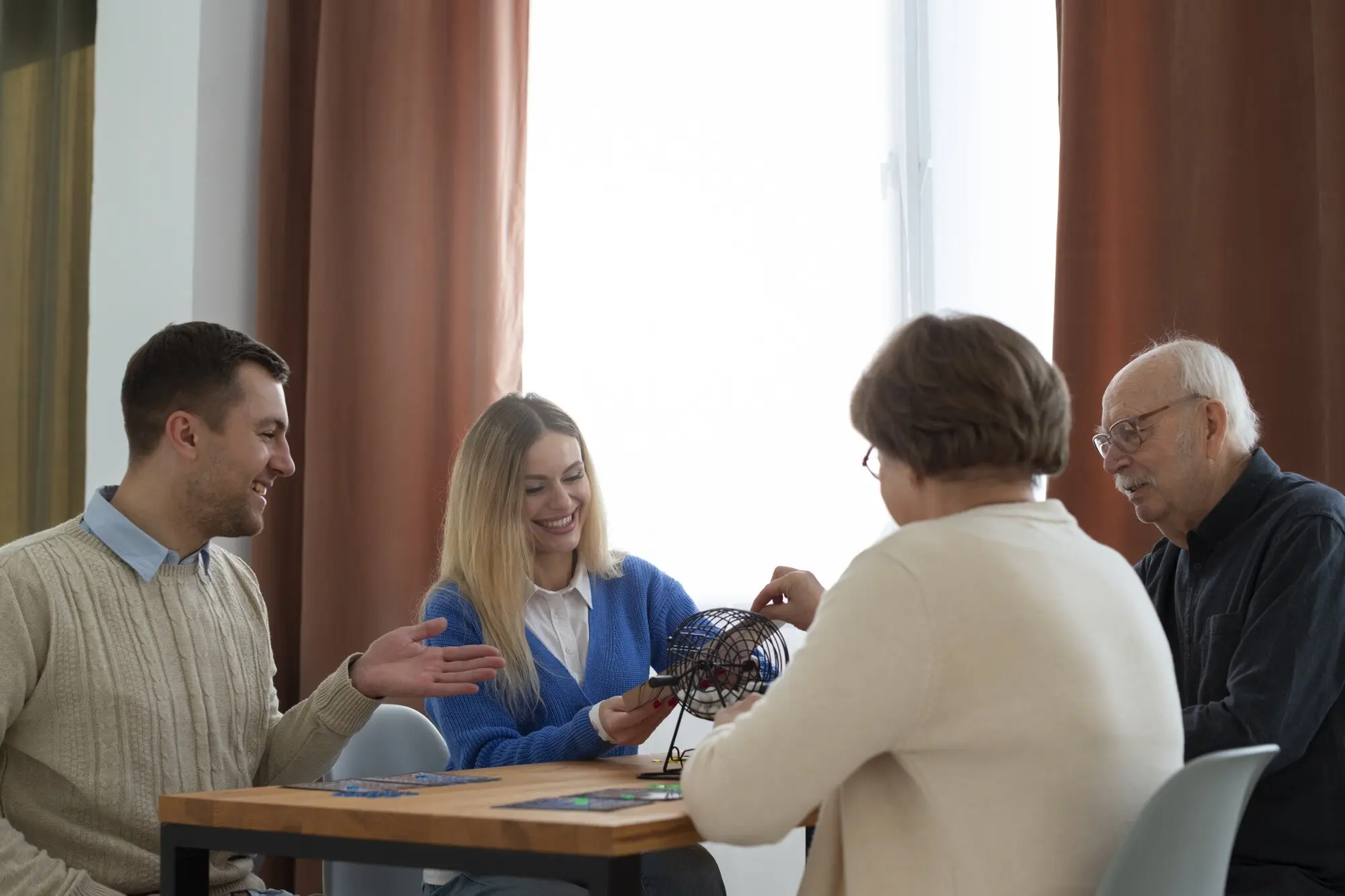
When experienced hands guide emerging hands, learning becomes embodied, contextual, and humane. Elders transmit nuance invisible in manuals, from tool balance to listening for the kiln’s breath. Youth bring fresh eyes, adaptability, and questions that deepen mastery. Together, they protect community identity, nurture shared responsibility, and transform making into belonging, dignity, and potential livelihoods that can anchor families while enriching cultural landscapes across towns, villages, and cities.

Finding the Right Elder Artisan

Look for patient communicators whose work shows consistency, repair literacy, and respect for materials. Visit studios, observe demonstrations, and ask how they learned. An excellent mentor explains failures without shame and celebrates small wins. Assess accessibility, ventilation, and emergency readiness. Draft an outline: expectations, timeframes, holidays, documentation, and safety briefings. A mutual trial period protects both sides, allowing honest course corrections before deeper commitments begin.

Preparing Youth for Respectful Learning

Curiosity thrives with structure. Encourage apprentices to keep a sketchbook, arrive on time, clean thoroughly, and ask questions after observing twice. Introduce basic tool names, culturally sensitive histories, and vocabulary so they listen precisely. Establish non-negotiables around clothing, hair, and jewelry for safety. Teach care: oiling blades, labeling dyes, and stacking wood. A personal pledge—humility, patience, courage—sets a tone that honors people, places, and practices.

Setting Clear Rhythms, Milestones, and Safety

A rhythm prevents overwhelm. Start with short, frequent sessions, then extend. Define milestone projects: sample weave, small bowl, simple hinge, basic spoon. Track hours, reflections, and photos to reveal growth. Build safety rituals into openings and closings: tool checks, ventilation, hydration, and stretches. Review first-aid placement, fire protocols, and consent for documentation. With boundaries honored, creativity expands confidently without risking bodies, relationships, or precious shared spaces.

Techniques Revived: Looms, Kilns, Forges, and Knives

Apprenticeships translate heritage techniques into lived competence. Weaving reveals tension miracles through heddles and shuttle dance. Clay reminds patience, teaching collapse as teacher, not enemy. Forging introduces elemental negotiation with fire and air. Knife making demonstrates metallurgy’s quiet math. Each discipline cultivates attention, resilience, and ethical sourcing. Together, they restore dignity to slowness, precision, and care, shaping useful beauty that honors forests, rivers, and ancestors’ persistent ingenuity.

Stories You Can Hold: Encounters That Changed Lives

Personal journeys anchor purpose. A teenager hesitant to speak becomes a confident demonstrator after weaving a shawl for a grandparent’s milestone. An elder who feared retirement finds renewed mornings teaching spoon carving to weekend visitors. These transformations ripple outward as neighbors commission repairs, schools invite talks, and festivals fund maker tents. Stories persuade wallets, nurture patience, and inspire others to ask for their own seat at the bench.

A Weaver’s Winter in the Highlands

An apprentice arrived during snowstorms, taking two buses to reach a stormy studio. The elder mapped drafts by firelight, recounting ancestors who wove through blackouts. Week by week, selvedges straightened; confidence grew. By spring, the apprentice taught kids at the library, explaining dye plants and knots. Their shawl, sold at a market, funded more yarn and a spare shuttle for the next eager learner waiting.

A Pottery Wheel beside the River

Flood warnings once shuttered the studio, yet rebuilding became a classroom. The elder potter showed how to salvage clay, wedge away silt, and test glaze after contamination. The youth learned stewardship alongside technique, organizing a river cleanup and pop-up sale for neighbors. Bowls with stamped river reeds carried hope. Each purchase included care instructions and a story card, inviting buyers to return for workshops and shared firings together.

From Scrap Steel to First Knife

A retired farrier donated offcuts; a blacksmith mentor offered Saturdays. The apprentice practiced drawing tapers, missing more than hitting at first. Documented heats, careful quench, and honest critique refined movements. The finished utility knife, stamped with both initials, opened envelopes at the town hall ribbon cutting. Photos traveled online, attracting donations for safety gear and scholarships. That blade sharpened not only edges, but futures, friendships, and civic pride.

Building Programs That Last

Durable initiatives blend governance, financing, and care. Cooperative structures share tools, library access, and insurance. Sliding-scale tuition and micro-scholarships widen doors. Partnerships with museums, farms, and schools spread costs and visibility. Clear codes uphold consent, credit, and cultural respect. Regular showcases build income and confidence. Annual evaluations celebrate wins, refine gaps, and renew commitments so apprenticeships remain welcoming, trauma-informed, and genuinely accountable to elders, youth, and neighborhoods.

Funding Without Losing Soul

Balance grants with earned revenue. Offer beginner kits, repair clinics, and seasonal markets. Seek mission-aligned sponsors who respect autonomy and safety. Publish transparent budgets so donors trust stewardship. Pay elders fairly for teaching and prep time. Encourage apprentices to document impact through photos, testimonials, and repair counts. Ethical pricing honors labor, sustainability, and intergenerational knowledge, ensuring prosperity does not demand rushed shortcuts or extractive compromises that weaken integrity.

Safety, Insurance, and Wellbeing

Safety plans protect people and continuity. Conduct hazard audits, maintain tool logs, and schedule ventilation checks. Train in first aid, burns, cuts, and kiln or forge protocols. Respect boundaries, pronouns, and cultural practices. Background checks and two-adult supervision policies keep everyone secure. Insurance riders cover events and instruction. Debriefs after incidents prioritize learning over blame. When bodies and dignity are safeguarded, creativity deepens, retention strengthens, and communities wholeheartedly trust participation.

Measuring Learning and Cultural Continuity

Track hours, projects, and competencies while honoring storytelling. Rubrics assess tool care, terminology, and safe habits. Portfolios show progression from samples to commissions. Interviews capture identity shifts and newfound confidence. Map apprentice alumni paths: makers, teachers, conservators. Document language revival through pattern names or songs. Share annual reports inviting feedback, keeping accountability circular. Measurement thus becomes celebration and compass, guiding resources, schedules, and outreach with clarity and compassion.

Digital Paths for Ancient Hands

Technology can extend, not replace, embodied mentorship. Secure chat, annotated videos, and slow-motion tool demonstrations support practice between visits. Digital archives preserve songs, drafts, and toolmarks with context, credits, and cultural permissions. Careful design centers elders’ voices and limits extraction. Online showcases invite commissions, donations, and volunteers. Thoughtful moderation keeps spaces respectful, accessible, and celebratory, turning screens into bridges that lead people back to real benches, real wood, real fire.

Remote Mentoring That Still Feels Close

Schedule short, regular check-ins. Use multi-camera views to show stance, grip, and angles safely. Encourage apprentices to upload reflection clips highlighting challenges. Elders can mark frames, draw over screenshots, and share reference sounds—loom clacks, quenches, burnish rhythms. Transcripts support accessibility. Clear off-screen assignments maintain momentum. Remote time supplements hands-on days, ensuring continuity during weather, travel, or caregiving, while protecting intimacy and trust built beside tools and materials.

Archiving Patterns, Songs, and Toolmarks

Build an archive with consent-first ethics. Photograph steps, record oral histories, and link files to people, places, and seasons. Include repair case studies and failures documented kindly. Use open formats and backups across community servers. Credit culture-bearers prominently, defining what remains private. Tag by technique, material, and region to help future apprentices find exactly what they need without diluting nuance or flattening stories into disconnected, decontextualized fragments.

Inviting Participation, Feedback, and Ongoing Support

End each post with a question inviting stories, photos, and ideas for partnerships. Offer a newsletter spotlighting apprentices, calls for tools, and upcoming showcases. Host Q&A livestreams with elders, captioned and archived. Provide clear volunteer roles: transport help, material sourcing, grant writing. Celebrate contributions publicly. Feedback loops should feel welcoming, actionable, and continuous, so readers become collaborators, sustaining apprenticeships with attention, resources, encouragement, and steady hands ready to help.
Tarizentotorazavokaronaripira
Privacy Overview

This website uses cookies so that we can provide you with the best user experience possible. Cookie information is stored in your browser and performs functions such as recognising you when you return to our website and helping our team to understand which sections of the website you find most interesting and useful.