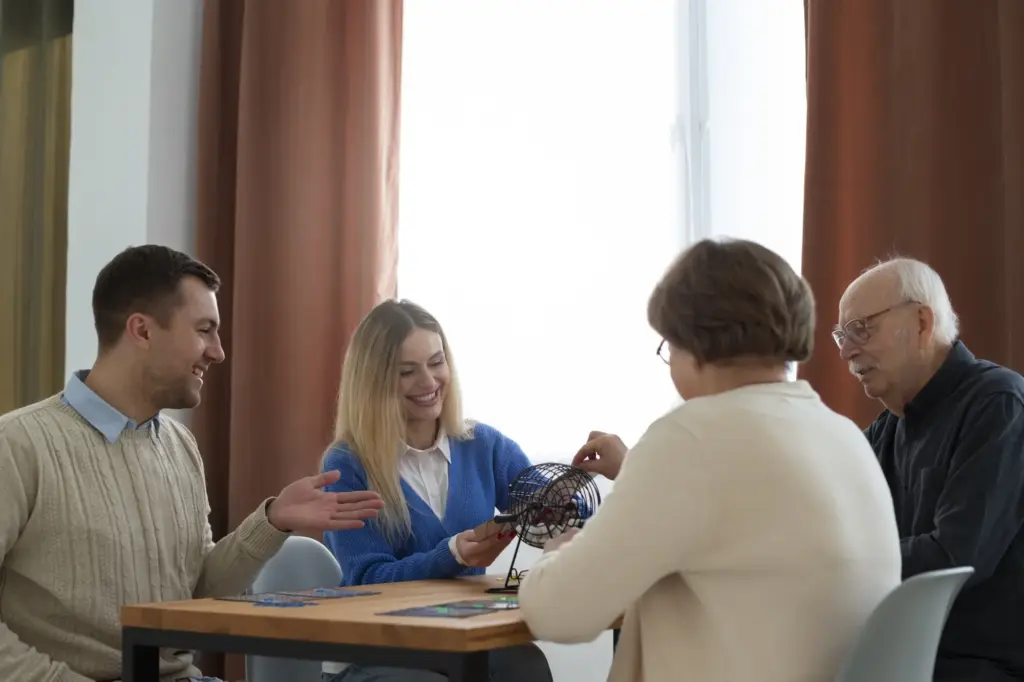

Bridges That Measure What Matters

Welcome. We are diving into Measuring the Social Impact of Intergenerational Learning Programs, exploring how connections between young people and older adults translate into real community change. Expect practical frameworks, field-tested methods, and honest stories, plus invitations to share your insights, subscribe for future explorations, and help refine the questions we ask as we learn together.

Why Outcomes Matter Beyond Smiles

Joyful photos and heartfelt quotes are wonderful, yet they rarely convince funders, policymakers, or skeptical neighbors that change truly sticks. Measuring the Social Impact of Intergenerational Learning Programs helps move beyond feel‑good moments, showing shifts in loneliness, empathy, skills, and civic participation. When we measure well, we celebrate successes, confront blind spots, and invite partners to co‑create better program designs. Join the conversation, challenge our assumptions, and share outcomes that surprised you most so we can build clearer evidence and stronger collaborations together.

Frameworks That Keep You Honest

Clarity beats complexity. Theory of Change, logic models, and Social Return on Investment can align daily activities with long‑term aspirations for intergenerational connection. Mapping assumptions makes hidden risks visible, while linking inputs, outputs, and outcomes reveals whether data actually answer the questions you care about. Done humbly, frameworks steer programming and evaluation decisions without stifling creativity. Share your diagrams, sticky‑note breakthroughs, and the assumption you revised after seeing real‑world behavior that did not match your initial plan.

Qualitative Depth, Ethnographic Care

Observation during sessions reveals micro‑moments surveys miss: a shared joke bridging decades, a hesitant first greeting turning into weekly teamwork. Semi‑structured interviews explore identity, pride, and belonging across ages. The Most Significant Change technique invites participants to select stories that matter to them, centering their voice. Share consent prompts that felt respectful, the debrief questions that sparked honesty, and how you protect participants from retelling painful experiences without adequate support or follow‑up care.

Surveys That Actually Measure

Choose brief, validated tools where possible: UCLA Loneliness Scale (short form), Interpersonal Reactivity Index subscales for empathy, and evidence‑based ageism measures. Pilot for readability and cultural nuance, especially with translation or accessibility needs. Use consistent timing, anonymity where appropriate, and device‑agnostic formats. Add one or two open questions to catch surprises. Tell us which items people loved or disliked, how you balanced brevity with depth, and your best trick for turning high response rates into meaningful interpretation.

Triangulation You Can Trust

No single method carries the whole story. Compare trends across surveys, interviews, attendance patterns, and facilitator reflections. Look for convergence, explain divergences, and document what stays unknown. Bring participant advisors into sense‑making sessions to reduce researcher bias and amplify lived experience. Share a moment when triangulation changed your conclusion, the visual you used to present multiple data streams clearly, and how you communicated uncertainty without undermining real progress or community confidence.

Evidence With Integrity

Ethics are non‑negotiable, especially when working with young people and older adults. Plan for informed consent, assent, and guardianship specifics. Consider accessibility, trauma awareness, and cultural humility. Guard privacy through strong data governance and minimal collection. Design feedback loops so participants see results and influence decisions. Above all, respect time, energy, and dignity. Share your consent language, any data minimization wins, and practices that turned evaluation from extractive oversight into a collaborative, empowering part of intergenerational learning journeys.

Consent Across Generations

Consent is a conversation, not a signature. Use plain language, large fonts, visual aids, and translation. Explain risks, benefits, data storage, and withdrawal options clearly for teens, guardians, and older adults. Check understanding, invite questions, and allow time to decide. Re‑confirm consent during longitudinal studies. Post your favorite comprehension checks, how you navigate photography or recording, and ways you protect participation rights when power differences or enthusiasm might unintentionally pressure people into saying yes.

Data Protection With Dignity

Collect only what you need, store it securely, and destroy it responsibly. Pseudonymize early, restrict access, and define retention schedules. Prepare incident response steps before you need them. Use consent‑aligned sharing agreements when partners collaborate. When in doubt, choose privacy over curiosity. Share the lowest‑effort, highest‑impact safeguard you implemented, how you explain data rights in welcoming terms, and tools that helped you audit permissions without drowning in spreadsheets or preventing meaningful learning across teams.

Bias, Power, And Shared Interpretation

Bias hides in questions, sampling, and how we read results. Recruit diverse participant advisors, compensate them, and co‑interpret findings. Name limitations plainly—small samples, missing voices, or contextual disruptions—and suggest cautious conclusions. Facilitate reflective sessions where staff examine expectations alongside evidence. Tell us about a time community interpretation reversed your initial read, how you documented disagreements, and the steps you took to integrate those insights into program adjustments without tokenizing or sidelining difficult feedback.

Comparison Groups Without Contention

When randomization is infeasible, use waitlists, phased rollouts, or matched comparisons based on age, baseline scores, and participation history. Pre‑register decisions and keep analyses simple. Communicate fairness to communities and invite feedback on guardrails. Post a story where a pragmatic comparison saved credibility, the criteria you used to balance similarity with feasibility, and how you kept compassion centered while still drawing meaningful contrasts that helped refine programming for future cohorts.

Longitudinal Follow‑Up That Sticks

Impact often grows after programs end. Build gentle routines—birthday texts, alumni meetups, brief check‑ins—to sustain contact and measure maintenance or decay of outcomes. Offer value each touchpoint: resources, recognition, or referrals. Keep surveys short and mobile‑friendly. Share incentives that felt respectful, techniques that reduced attrition, and the moment a long‑term response reframed your understanding of intergenerational bonds, revealing cumulative effects that short studies would have missed entirely or misinterpreted as temporary gains.

Small Samples, Big Learning

Community programs frequently involve small cohorts. Embrace estimation over perfection, report effect sizes and confidence cautiously, and complement numbers with rich narratives. Use within‑person change, visual time‑series, and Bayesian shrinkage if skilled support is available. Above all, avoid overclaiming. Share your favorite small‑n visualization, a concise way you explained uncertainty to decision‑makers, and how qualitative insights rescued meaning when p‑values could not, yet stakeholders still needed grounded guidance for important funding choices.

Turning Findings Into Better Programs

Evidence should travel from reports into rooms where decisions happen. Build routines that convert insights into changes in facilitation, scheduling, or content. Co‑design improvements with participants and monitor whether adjustments work. Tell compelling, truthful stories to boards and neighbors alike. Invite readers to comment with one change they implemented after new data, subscribe for practical templates, and share successes or setbacks so our shared practice grows faster than any one program could manage alone.

Stories From The Field

Lived examples ground the craft. Here are composite vignettes drawn from real practices, anonymized and blended for privacy. Notice the choices made, the bumps encountered, and the measurements that clarified value. Then tell us your experience, challenge a claim, or request templates. When we swap stories about Measuring the Social Impact of Intergenerational Learning Programs, we sharpen our judgment and strengthen the bridges we are all trying to build together.
Tarizentotorazavokaronaripira
Privacy Overview

This website uses cookies so that we can provide you with the best user experience possible. Cookie information is stored in your browser and performs functions such as recognising you when you return to our website and helping our team to understand which sections of the website you find most interesting and useful.